Backed by environmental groups, legislators in Alaska and Illinois are pushing to add their states to the growing list of places with bans on polystyrene cups, plates, and take-out food containers.
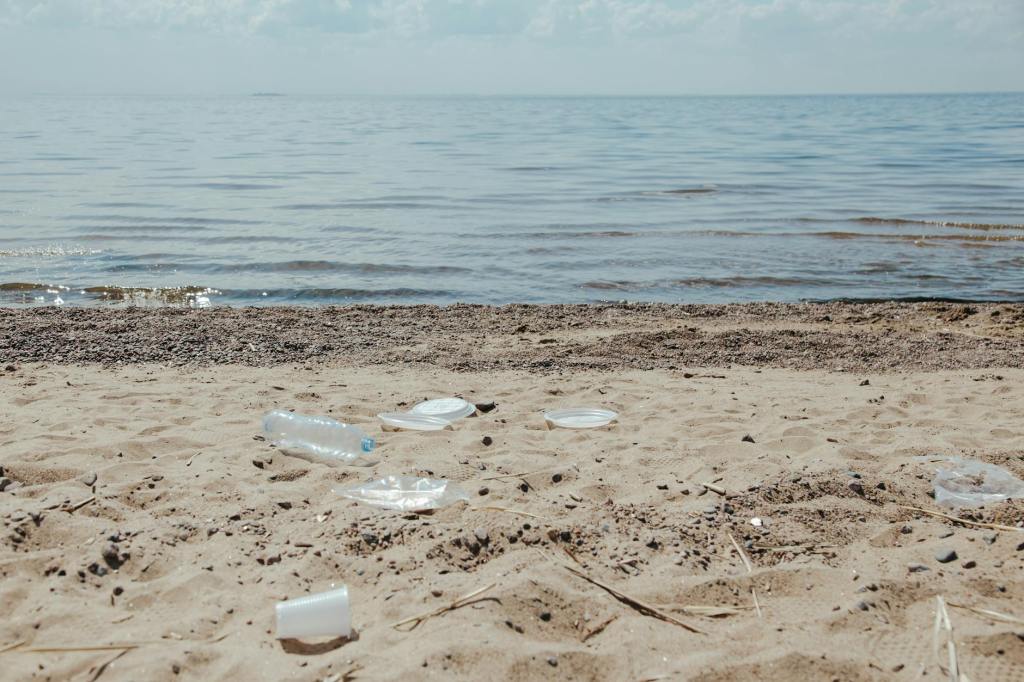
Alaska’s House of Representatives passed in April a bill to end restaurants’ use of insulated containers made of polystyrene foam, also known as styrofoam. State Rep. Andy Josephson, of Anchorage, said in a statement that the containers break down into tiny pieces that pollute waterways and threaten wildlife.
The material’s convenience and durability are simultaneously strengths and problems, he said.
Illinois State Sen. Laura Fine said that polystyrene foam endangers not only wildlife but also humans because it can leech into food the component chemical styrene, which the National Research Council has described as “reasonably anticipated to be a human carcinogen.” The US National Institute of Environmental Health Sciences notes, though, that styrene levels in food are very low.
Two years ago, Fine successfully championed legislation that has, since January 2025, prohibited Illinois government agencies and universities from buying and using polystyrene food containers as well as required them to reduce consumption of single-use plastics for food service.
Meanwhile, lawmakers in Connecticut fell short on their latest effort to bar single-use polystyrene take-out containers. The CT Mirror reported that manufacturers had opposed the bill, setting up a protracted fight.
In 2020, Maryland became the first US state to enact a statewide ban on polystyrene take-out containers. Since then, Maine, Vermont, New York, New Jersey, Colorado, Virginia, Washington, Delaware, Oregon, Rhode Island, and California have enacted their own bans, as have Washington, D.C., American Samoa, and dozens of local jurisdictions in other states.
As of two years ago, 64 municipalities had enacted bans in Massachusetts alone, according to the Sierra Club.
The governors of Montana and Nevada, however, vetoed in 2025 bills that would have enacted polystyrene bans in their states.
Chicago’s Shedd Aquarium is rallying support for Fine’s bill, arguing that the legislation can help reduce the estimated 22 million pounds of plastic waste that enters the Great Lakes each year. Friends of the Chicago River is also backing the bill, stating that a ban would help to make the state’s rivers cleaner and healthier.
In Alaska, Environment America noted that microplastics have proliferated in the state’s waters but polystyrene bans elsewhere in the country have been connected with sharp reductions in foam pollution. Alaska Community Action on Toxics noted that polystyrene is often eaten by marine animals that mistake it for food or burned in rural areas without emissions controls. However, Alaska businesses that voluntarily stopped using polystyrene also reported a rise in repeat customers and higher customer satisfaction, the organization said.
The bans are having consequences for the packaging industry. Plastics Today reported this spring that Genpak was closing a 200-worker manufacturing facility in Utah due to laws prohibiting the use of polystyrene food containers, and the company had cited polystyrene bans in its 2024 closure of a 138-worker factory in New York.Beyond the US, about 70 countries are in various stages of trashing single-use polystyrene food containers. As in the US, those efforts are augmented by a patchwork of local bans.