Oak savannas have been all but wiped out across the US, but researchers in Michigan recently reported that bird communities can quickly flourish where those habitats are restored.
Biologists with Grand Valley State University said in Forest Ecology and Management that restored oak savannas in western Michigan supported distinct bird communities compared to surrounding forests, with populations often becoming established in the savanna in as little as a few months following the tree thinning and controlled burns that were used for restoration.
“The management of savanna sites created favorable habitat for open-country bird species despite (the) small size of savanna patches and surrounding landscape dominated by forests and agricultural land,” the authors wrote.
Savanna ecosystems are the transitional zones between forests and open, low-growth areas such as grasslands and prairies, and they provide certain bird species with fitting sites for foraging and nesting.
Before European settlement, savannas comprised about 12 million hectares (30 million acres) of what is now the United States. Almost all of those zones have been wiped out by human development as well as the overgrowth of such areas with trees due to fire suppression, with 99.8 percent of historic savannas lost by 1985, the authors wrote.
Bird populations have also dropped sharply in recent decades, with significant declines among most North American species since 1970. Grassland species populations have declined by 75 percent, coinciding with loss of open lands and savannahs.
The researchers identified birds by sight and sound at 10 restored savanna sites and 10 forested sites within the Huron-Manistee National Forest in western Michigan. They conducted those bird observations in May and June of 2021 and 2022 as well as surveyed vegetation within those sites during the summers of 2021 and 2022.
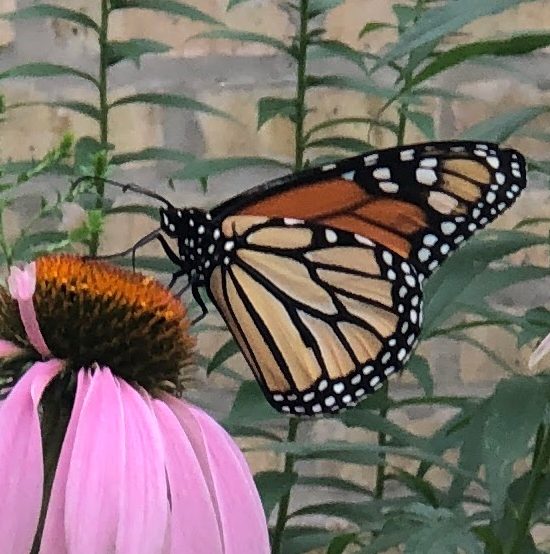
The savanna sites were selected within 260 hectares (640 acres) of savanna that has been restored so far to provide habitat for the Karner blue butterfly, an endangered species specific to oak savannas and pine barren ecosystems. The area was planted with an abundance of wild blue lupine, which is the sole food source for Karner blue butterfly caterpillars.
The Grand Valley State biologists found that the savanna and forests in the study area had equal species diversity but the savannas quickly became homes for many omnivorous birds that prefer ground foraging while many insectivores tended to remain under forests’ dense canopies.
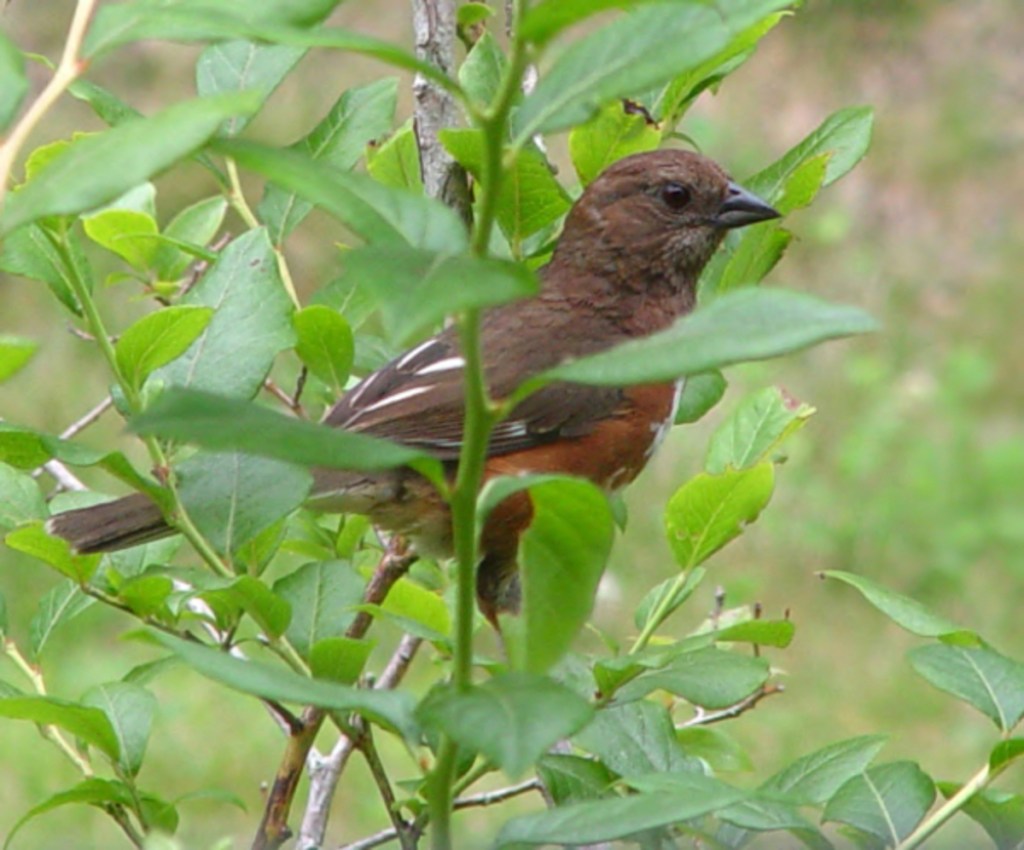
Field sparrows and eastern towhee were more common in the savanna whereas ovenbirds and eastern wood-pewee were more common in forests. Some species, such as American robins and rose-breasted grosbeak, were common in both habitats.
The authors noted that savanna restoration also benefits various insects, arachnids, and small mammals that thrive in grasslands, not to mention the diversity of plants that emerge in the sunlight beyond the forest canopy.
“The beneficial effects that the management of these habitats can have on other taxa such as reptiles, amphibians, and arthropods should be investigated further where active savanna restoration is taking place,” the authors said. “Further examination of avian fitness and nest success in savannas as prescribed burns and timber harvest are implemented, and long-term studies of species richness and community response will be required to fully understand how management actions are impacting avian communities.”
Ongoing management of restored and remnant savanna ecosystems in Michigan could provide important habitats for declining bird communities and other threatened wildlife, they said.
Photo courtesy of Andrew MacLachlan/US Fish and Wildlife Service