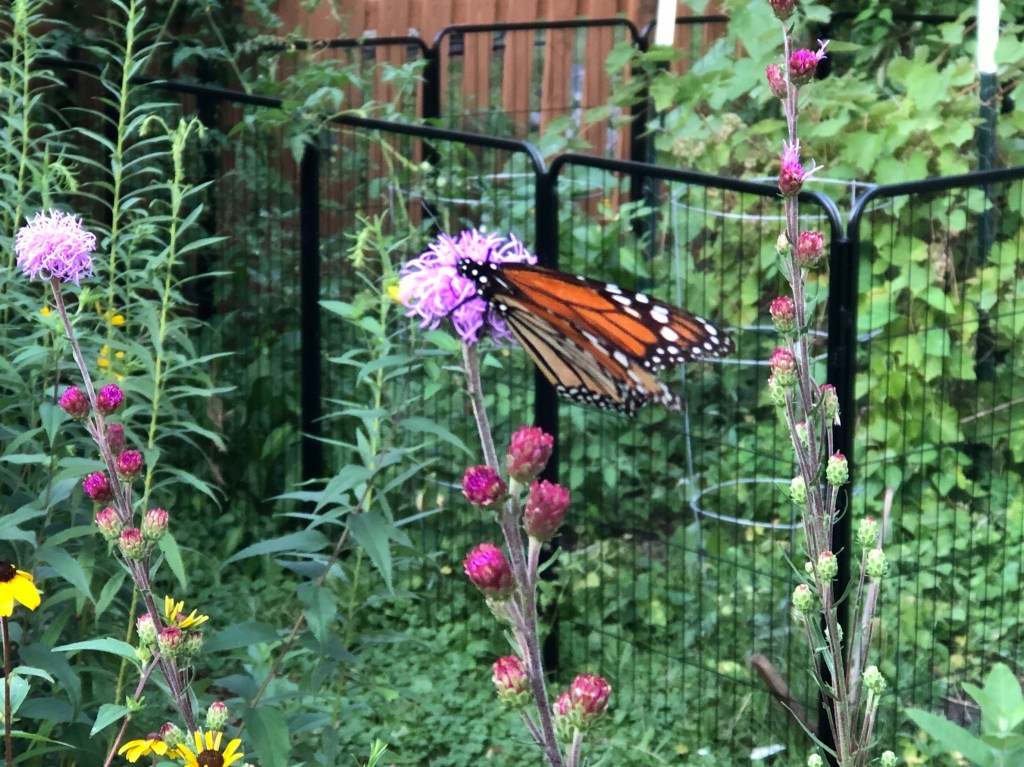
The World Wildlife Fund-Mexico said this week that the population of eastern migratory monarch butterflies leaped by an estimated 64 percent from one year ago.
The most recent results of the organization’s annual survey suggest at least a pause in the collapse of the charismatic insect’s numbers, which had been in freefall since the 1990s. The WWF-Mexico and National Commission of Natural Protected Areas of Mexico (CONANP) have been monitoring monarch overwintering sites for the past 22 years.
Researchers with the organizations found that nine colonies of monarch butterflies occupied about 7.2 acres of forest in the states of Michoacán and Estado de México during the 2025-26 overwintering season compared to 4.4 acres during the 2024-25 overwintering season. The butterflies migrate at the end of summer from their breeding grounds in the US and Canada to hibernation sites.
The figures also show a sharp recovery since the 2023-24 winter, when butterflies occupied only 2.2 acres of forest. By comparison, monarchs occupied a peak of 45.0 acres during the 1996-97 winter.
WWF officials said in a separate statement that population numbers fluctuate but continue on a long-term downward trend due to forest degradation, extreme weather, and loss of US breeding habitats that are impacted by herbicides and insecticides. However, it said that the report shows that conservation efforts are helping.
The organization said that it is working within Mexico to promote forest management and sustainable tourism within monarchs’ overwintering grounds and helping to restore forests within those grounds. It also said that it is pushing within the US for grassland and pollinator habitat restoration as well as limits on the use of neonic pesticides, which it said are leading drivers in monarch declines.
WWF-Mexico also published this week separate study results that show a recent slowdown in degradation of forest from the Monarch Butterfly Biosphere Reserve, where five of the nine monarch colonies had overwintered during the 2025-26 season. The organization reported the degradation of about 6.3 acres of forest from the approximately 139,000-acre preserve from February 2024 to February 2025, with about 4.6 acres of that loss to illegal logging, 1.4 acres to wildfire, and one-third acre to drought.
From 2023 to 2024, researchers found that 9.2 acres had been degraded.
“These reports indicate conservation measures are going in the right direction,” WWF-Mexico Director General Maria Jose Villanueva said in a statement. “We also need to remain vigilant and not forget that this unique migration continues to face many challenges.”
Last month, the Center for Biological Diversity and Center for Food Safety had sued the US Fish and Wildlife Service in pursuit of protections for monarch butterflies as endangered species.
In the final days of the Biden Administration, the FWS had determined in December 2024 that monarchs are a threatened species that are eligible for protection. The conservation organizations argued that the FWS missed a deadline to publish within one year a final rule that would implement those protections or, alternately, provide notice that it was extending the deadline for action.
The FWS had reported in its 2024 assessment that western monarchs were 95 percent likely to become extinct by 2080 and eastern monarchs were 56-74 percent likely to become extinct. The Center for Biological Diversity and Center for Food Safety said in their complaint that the monarch butterfly population had declined by 90 percent over the past three decades and the butterflies had lost an estimated 165 million acres of breeding habitat due to the widespread use of herbicides that kill milkweed plants, which are the only source of food for monarch caterpillars.
In 2024, the FWS had proposed establishing 4,400 acres of California as critical monarch butterfly habitat, which would have resulted in new restrictions on development in the affected area.

 Treelines