Getting into the parks could have been much worse.
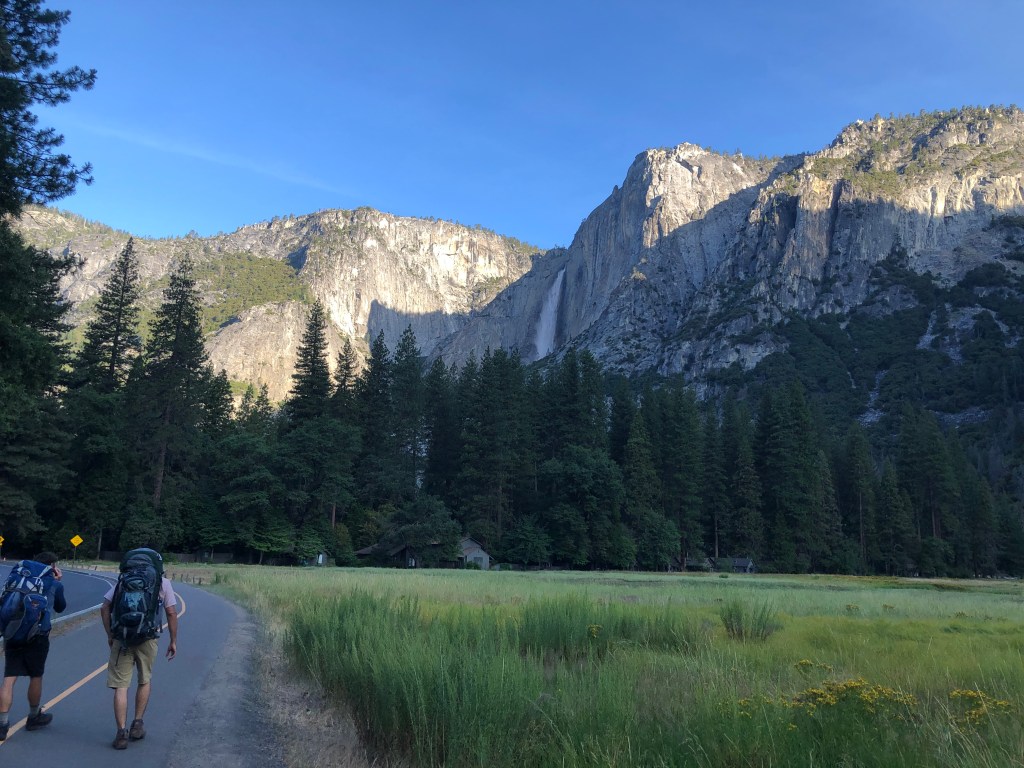
During a summer 2021 trip to Yosemite National Park, the entry road was backed up for miles with traffic, most parking lots were full, and every trailhead was crowded. Despite those inconveniences, our backpacking group still found a parking spot that was a 10-minute walk from our shuttle stop, the crowds on the trails dwindled after the first mile, and our three-man party passed few other people on the serene, sun-dappled hike to the Little Yosemite Valley campsite.
In 2024, my wife, son, and I ran into similarly packed parking lots and crowds at trailheads in Rocky Mountain National Park’s Bear Lake area, where the most popular trails begin. However, even the hike up to Emerald Lake, with its continuous foot traffic, had moments of tranquility when we could hear only the babbling of the nearby stream and our own footsteps.
At the time of those trips, the National Park Service had implemented in both parks a reservation system that limited how many people could pack into the most popular areas during peak hours. Visitors paid a minimal fee to drive through checkpoints within a certain time window. In 2024, for example, I paid $2 for a pass that allowed my family to drive into the Bear Lake area within a two-hour window and stay until the evening.
The NPS announced last week, however, that it will drop the timed entry reservation systems for Yosemite as well as Arches National Park. In addition, the service said that it is scaling back the requirements at Glacier National Park but maintaining its timed entry reservation system during peak months at Rocky Mountain.
“Our national parks belong to the American people, and our priority is keeping them open and accessible,” Kevin Lilly, acting assistant secretary for Fish, Wildlife, and Parks, said in the announcement.
The NPS said that it will use temporary traffic diversion and extra seasonal staff to manage overcrowding in Yosemite, and it is encouraging Arches visitors to arrive early or late in the day as well as be willing to find less crowded hikes if their favorite trails are full.
The NPS also said on its website that it found in a recent study that Yosemite had available parking during most weekdays and the traffic and visitor populations had been within capacity, and it will encourage people to visit during those times in 2026. It also will encourage people to visit other sites outside of Yosemite Valley, which is highly popular due to its stunning views of cliffs and waterfalls, access to trailheads for backpackers and day hikers, and hub for the shuttles that run throughout the park.
I found the area to be awe inspiring, especially during the early morning when the grey peaks rise out of the shadows that are cast across the grasslands and foothills. It’s the place to see Bridalveil Fall and Half Dome, and a hike up the nearby trails reveals sweeping expanses of cedar, pine, and oaks.
The nonprofit National Parks Conservation Association said that the reservation system had been successful, and the cancellation risks unsustainable overcrowding, hours-long traffic jams, damage to the parks, and ruined visits.
“Today, Interior Department leadership chose chaos over conservation at the expense of millions of visitors to Arches,” Cassidy Jones, NCPA senior visitation program manager, said in a statement.
The NPS had begun using timed entry passes and vehicle reservation systems in the years prior to the COVID-19 pandemic, but it expanded the use of those systems in the years following the emergence of the SARS-CoV-2 virus as people flocked to the parks in record numbers. The reservation system has prevented the crowds from swelling to unmanageable numbers that would risk harming wild lands and animals, overwhelming facilities, and diminishing every visitor’s experience.
National Park Service figures show that Yosemite’s annual visitor totals rose to 4.1 million in 2024 from 3.3 million at the time of my visit in 2021. The park had higher totals in several years prior to the pandemic, including a peak of just more than 5 million in 2016, and the US Department of the Interior has noted that overcrowding has been a problem in national parks since before the pandemic.
The NPS added to its site in 2017 a video that describes two-hour traffic delays at the Arch Rock Entrance on weekends, sometimes erratic roadside parking that worsened backups, and shuttle buses that were unable to accommodate the crowds.
Annual Visitors to Yosemite NP
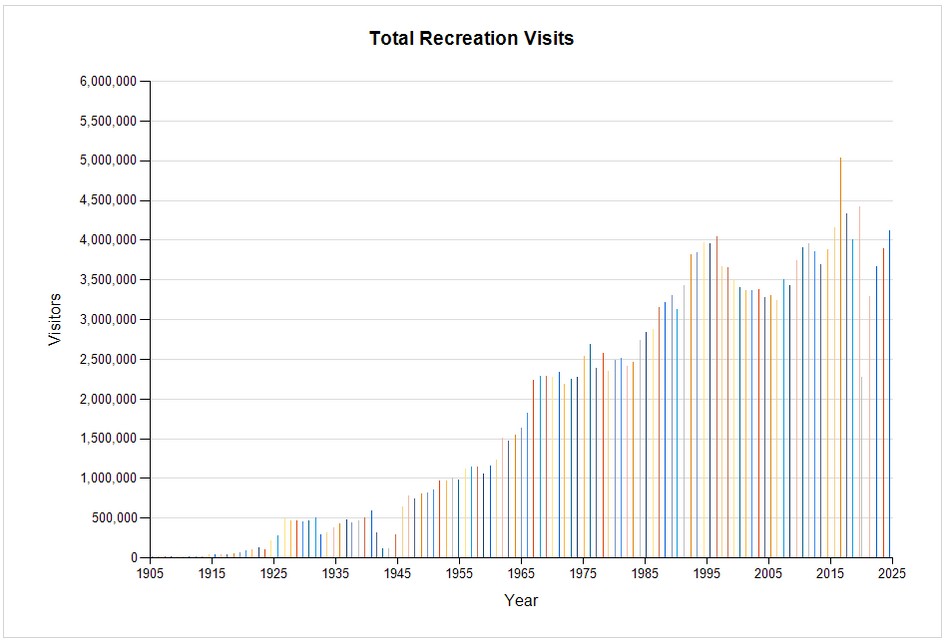
Chart courtesy of the National Park Service
As for Arches, it has had just below 1.5 million visitors during the 2022-2024 calendar years, which is down from a peak of about 1.7 million in 2018 and 2019. The NPS notes on the Arches website that the red rock landscape may feel dream-like, but the traffic congestion from March through October “can quickly bring you back to reality.”
Yosemite visitors are already seeing the effects of removing timed entry requirements.
SFGate reported that Yosemite was paralyzed by gridlock over the President’s Day weekend as visitors swarmed to the park to see the Firefall phenomenon, when Horsetail Fall glows orange as lava in the light of sunset. The NPS had since 2022 used its reservation system to limit the crowds during each February’s Firefall season, but it removed those requirements early this year.
I want for everyone to be able to experience in Yosemite the exhilaration of standing atop Cloud’s Rest and the sense of tranquility of wandering through the new growth in a mountain valley burn scar. I want others to see in Rocky Mountain the view when the wall of trees gives way to an expanse of mountains, grasslands, and streams so vast that they give way in the distance to faint outlines and blurs of color.
However, allowing unlimited visitors inadvertently risks reducing access to everyone as parking lots fill and roads back up with traffic, preventing all visitors from moving between sites as well as increasing stress on wildlife and limited park infrastructure.
At the time of my family’s 2024 trip to Rocky Mountain, we were able to secure passes months ahead and the NPS reserved dozens of the timed entry passes for last-minute visitors, allowing organized groups to make long-term plans without shutting out everyone else. That system remains in-place for Rocky Mountain, at least for now.
The removal of the entry system in Yosemite, though, risks a resurgence of the stress and headaches that many vacationers are trying to escape when they plan their visits to national parks.
 Treelines