
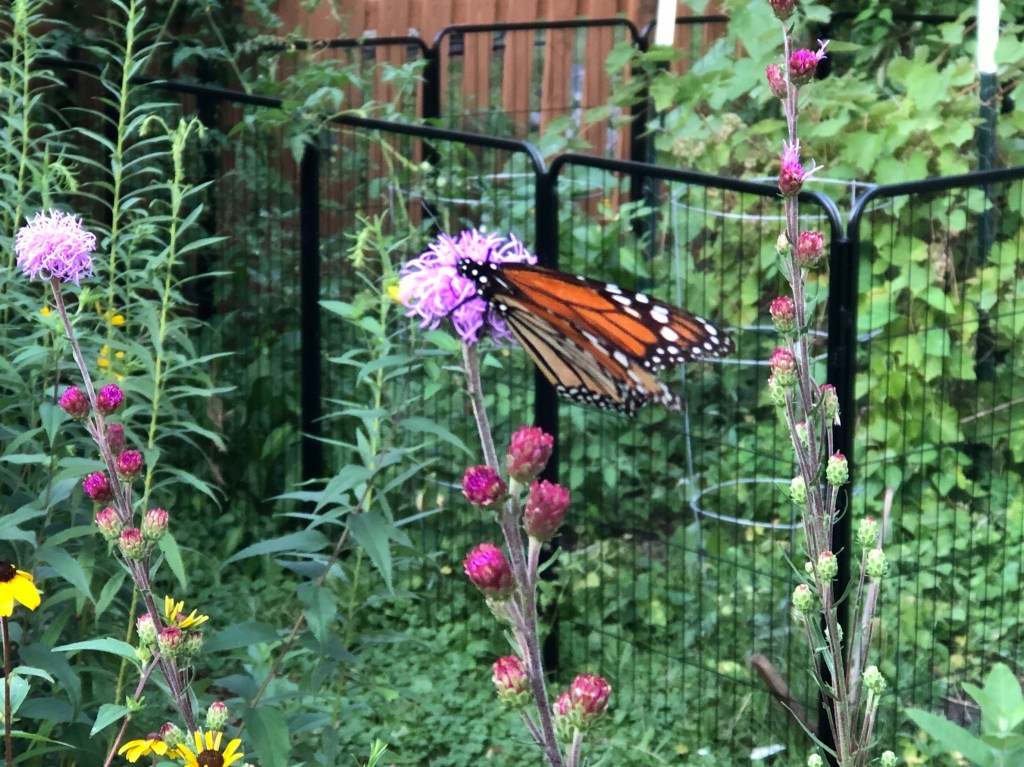
Two conservation organizations on Thursday sued the US government in pursuit of protections for monarch butterflies as endangered species.
The Center for Biological Diversity and Center for Food Safety said in a complaint before the US District Court for the Northern District of California that the US Fish and Wildlife Service had determined in December 2024 that monarchs are a threatened species that would be eligible for protections under the Endangered Species Act, which requires that the FWS publish within one year a final rule that would implement protections or provide notice that the service was extending the deadline.
The FWS missed that December 2025 deadline, and the organizations are seeking an injunction to compel the agency to act and a new deadline to ensure the action is timely, the organizations said in their complaint.
“Monarchs unite us and it’s disgraceful that their future is being sacrificed to political nonsense,” Tierra Curry, endangered species co-director for the Center for Biological Diversity, said in a statement.
George Kimbrell, legal director for the Center for Food Safety, said that the FWS should protect monarchs from pesticides and other threats that have driven declines in monarch populations.
The FWS confirms on its website that it has proposed listing the monarch butterfly as a threatened species but protections will not apply until it issues a final rule. It found in a 2024 assessment that western monarchs were more than 95 percent likely to become extinct by 2080 and eastern monarchs were 56-74 percent likely to become extinct.
The complaint notes that the monarch population has declined by 90 percent over the past three decades, and climate change threatens to make its winter habitat unsuitable. Meanwhile, the butterflies also have lost an estimated 165 million acres of breeding habitat within the US due to the widespread use of herbicides that kill milkweed plants that are the sole food source for monarch caterpillars.
Neonicotinoid insecticides, invasive types of milkweed, disease, vehicle collisions, and fragmented habitat are among other contributors to monarch declines, the organizations said.
In December 2024, the US FWS said that the monarch butterfly is one of the world’s most recognizable insects, with two long-distance migratory populations that are both in decline. The eastern population overwinters in mountainous central Mexico, and its population has declined by about 80 percent since the 1980s.
The western population, which overwinters in coastal California, has declined by more than 95 percent.
“Although many people have already helped conserve the butterfly, additional habitat and protections are needed to ensure the species is conserved for future generations,” the FWS said.
The agency proposed at the time establishing about 4,400 acres of monarchs’ overwintering territory in coastal California as critical habitat for the species. That action would place new restrictions on federal funding and permits or site approvals in the affected state and private land.

 Treelines