Finnish researchers said this week that governments could immediately preserve large areas of privately held wilderness through a combination of reverse auctions, down payments, and payment plans.
Reporting in Ecological Economics, the scientists from the University of Helsinki and the University of Jyväskylä said that most of the mature and old-growth forests in Europe are owned by private landowners, and conservation agencies will need to convince many of those owners to keep their properties wild to achieve a goal of preserving wilderness across 30 percent of the EU’s land and coastal areas by 2030. Public funding has been meager and uncertain, though, and demand for timber is rising.
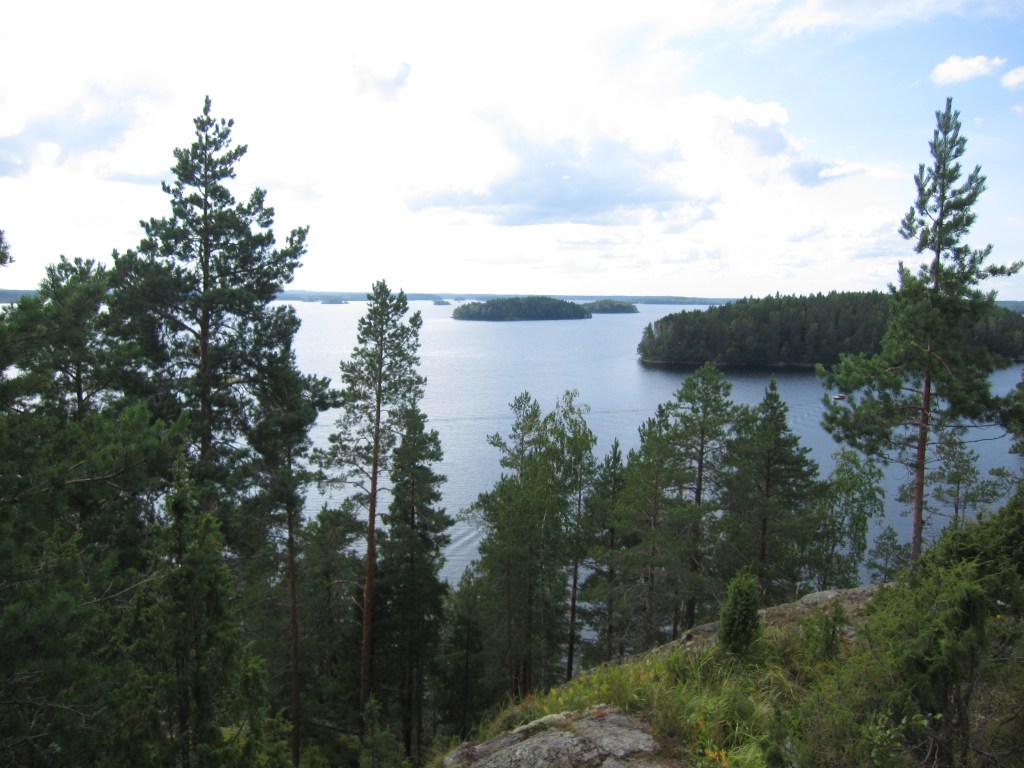
“Harvesting ecologically valuable sites causes an irreversible or long-lasting loss in forest biodiversity,” the authors said. “Degraded ecological values can be restored, but in valuable old-growth forests, it takes at least 150–200 years for biodiversity to recover, making it practically irreversible.”
EU government agencies typically use one-time, up-front payments to secure conservation agreements with landowners, but they could cover more ground in the short-term and reduce the risk of biodiversity loss by making smaller initial down payments to a larger number of landowners and agreeing to pay the remainder in installments with interest, the authors said.
The authors also recommended that governments invite the owners of valuable forest stands to submit bids in a competitive reverse auction for conservation payments. The agencies could select sites for conservation until their budget is exhausted.
The authors noted that the deferred payments were more expensive than up-front payments in the longer term due to interest, and the programs that use up-front payments may be able to conserve greater volumes of wild lands over the long term. However, they said that using deferred payments was likely to result in greater preservation of biodiversity by immediately reducing the risk of commercial harvesting over a broader area.
The researchers analyzed data of 400 protected sites in Finland covering about 4,000 hectares, with varying levels of detail on the ages of the forests, their sizes, and the living and dead wood contents. In simulations, a conservation program with payments over 10 years with 3 percent interest outperformed up-front payments in the preservation of valuable stands of wilderness, they said.
While programs that use up-front payments may be able to conserve a greater total area over the long term, they would tend to have a lower overall impact on conservation due to ongoing commercial timber harvesting.
 Treelines